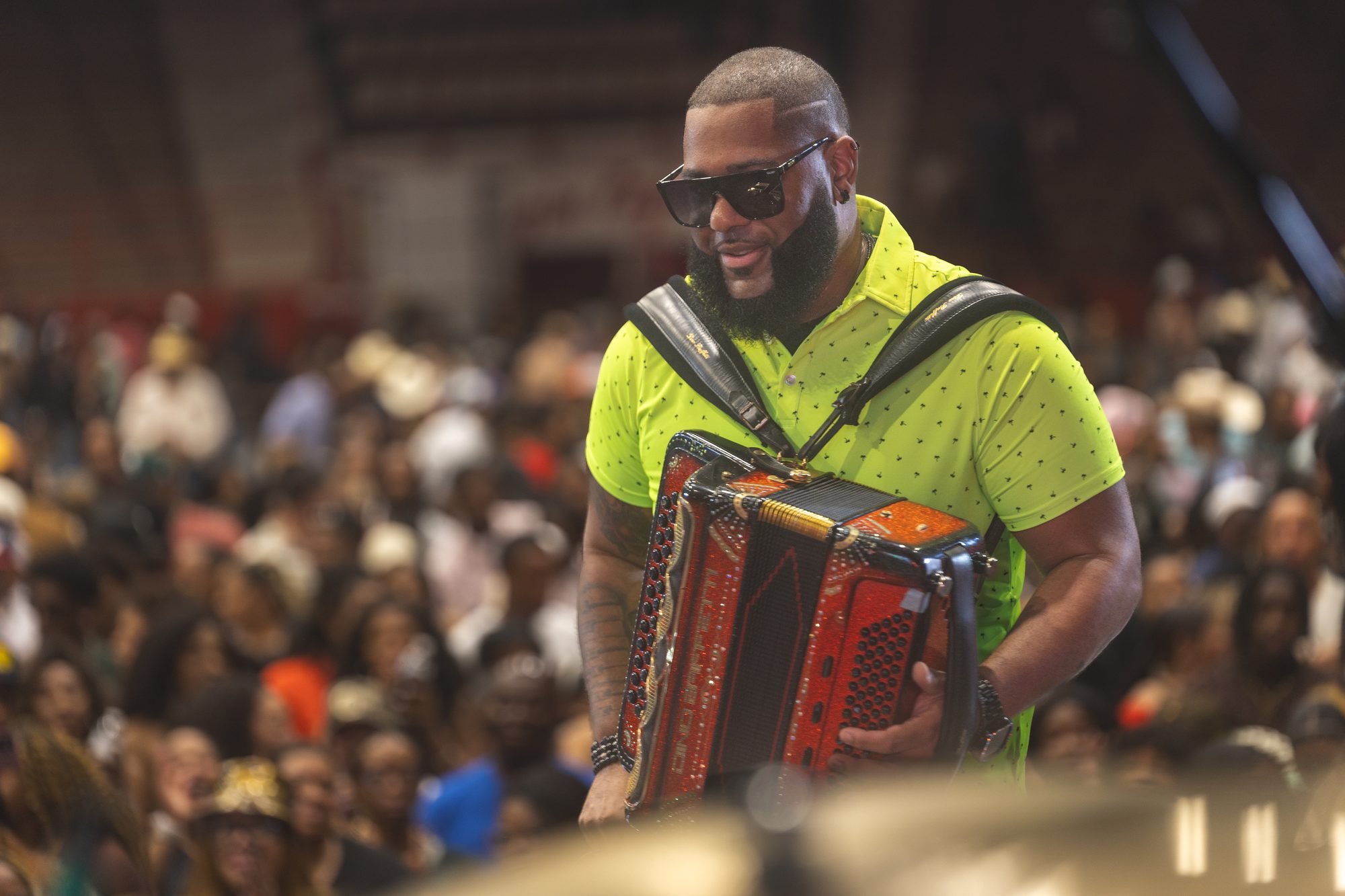
Before anybody sold it, somebody recorded it. On December 9, 1929, in New Orleans, the Creole accordionist Amédé Ardoin cut six sides for Columbia with the fiddler Dennis McGee. Columbia spelled his name "Armadie" on the label. Those records are among the earliest commercial recordings of South Louisiana French music, and much of what was later sold as Cajun music stands on them.
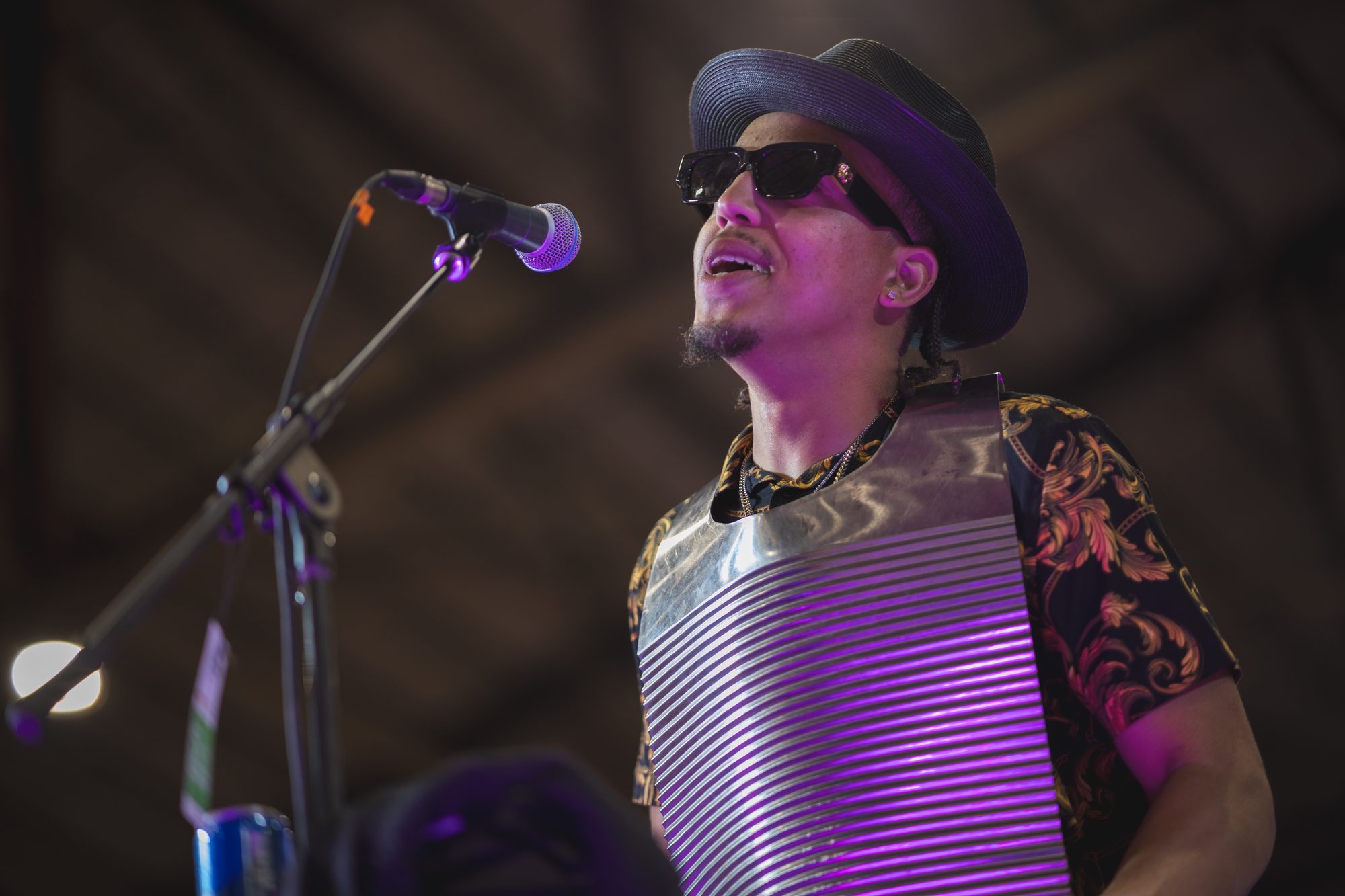
In 1954 Clifton Chenier, born in Opelousas in 1925, cut "Louisiana Stomp" and "Clifton's Blues" for the Elko label. The National Endowment for the Arts calls them among the earliest recorded examples of what is now called zydeco.
The tribute
On March 26, 1974, a Tribute to Cajun Music filled Blackham Coliseum in Lafayette. Dewey Balfa had met with James Domengeaux, chairman of the Council for the Development of French in Louisiana, about staging it. Nearly 12,000 people came. The concert grew into Festivals Acadiens.
Plaisance
In 1982 a citizens' group called the Treasures of Opelousas, advised by the Southern Development Foundation, held the first Southwest Louisiana Zydeco Music Festival in a bean field in Plaisance. KRVS reports that the organizers feared zydeco and Creole music were fading.
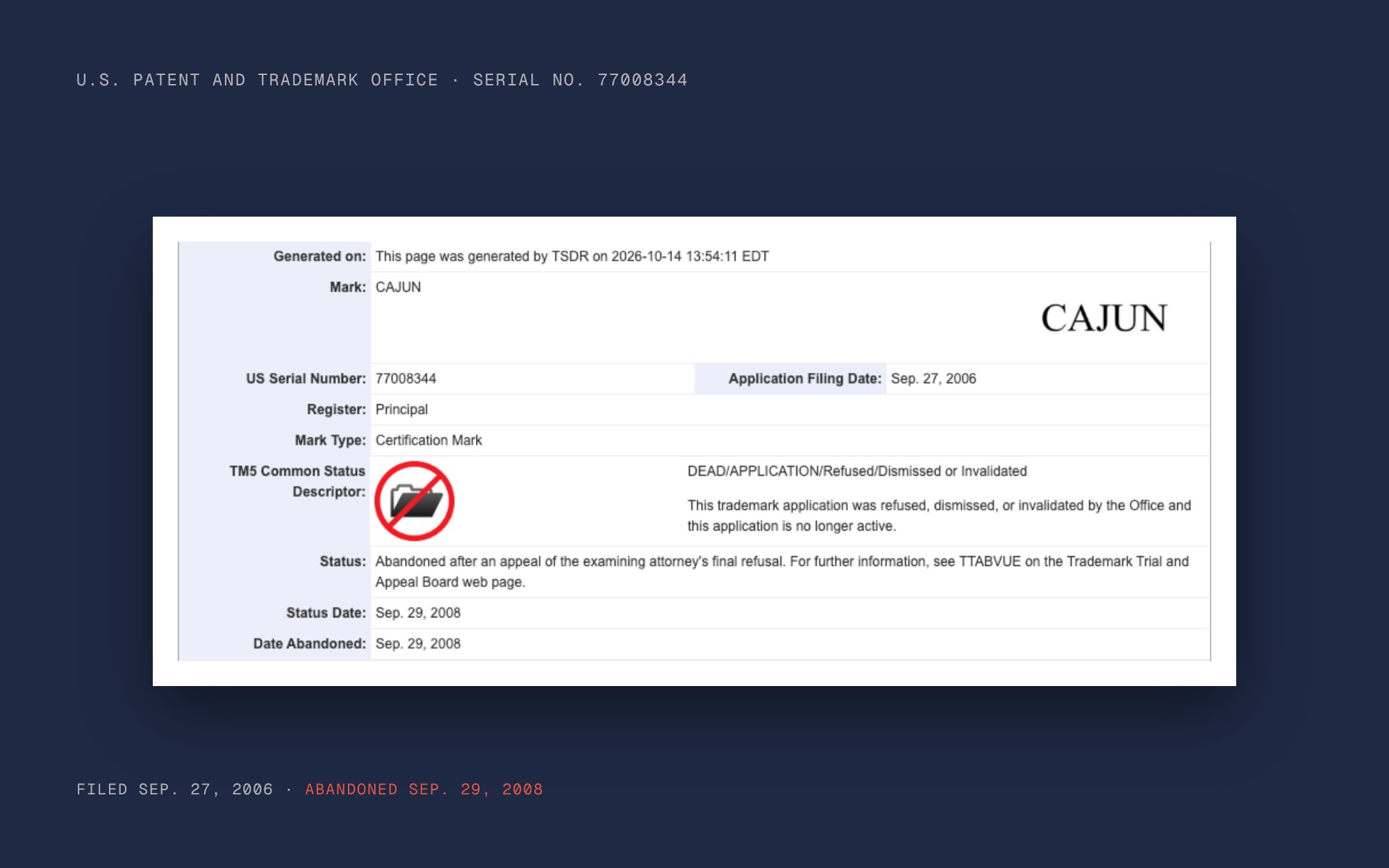
The same year, an Un-Cajun Committee formed in Lafayette to protest naming the university's sports venues, including the planned Cajundome, after Cajuns. The geographer Alexandra Giancarlo writes that some in the Black community found the names "not only offensive but inaccurate."
In 1984 Clifton Chenier and His Red Hot Louisiana Band won the Grammy for Best Ethnic or Traditional Folk Recording for "I'm Here!" The NEA named him a National Heritage Fellow that year.
The $64 million Cajundome opened on November 10, 1985, on state-owned land, paid for jointly by the City of Lafayette and the State of Louisiana.
By 1997, Giancarlo reports, protests over the name had grown large enough that Louis Farrakhan considered a visit to Lafayette.
The rename
In 2008 Festivals Acadiens became Festivals Acadiens et Créoles. Its founding organizer told The Independent that the festival had always presented both cultures and that the name now matched.
How we reported this
Built from Smithsonian Folkways' liner notes for Amédé Ardoin, the NEA's Heritage Fellowship record for Clifton Chenier, the Recording Academy, LafayetteTravel, UL Press, KRVS, The Historic New Orleans Collection, Alexandra Giancarlo's 2018 article in the Journal of Cultural Geography and The Independent.
Sources
- Amédé Ardoin: I'm Never Comin' Back, liner notesSmithsonian Folkways
- Clifton Chenier, National Heritage Fellow 1984National Endowment for the Arts
- Best Ethnic or Traditional Folk Recording, 1984Recording Academy
- History of Festivals Acadiens et CréolesLafayetteTravel
- The 40th Annual Original Southwest Louisiana Zydeco FestivalKRVS
- What's the difference between Cajun and Creole, or is there one?The Historic New Orleans Collection
- "Don't call me a Cajun!": race and representation in Louisiana's Acadiana regionJournal of Cultural Geography (Alexandra Giancarlo)
- Cajundome facility pageLouisiana Ragin' Cajuns Athletics
- Branching OutThe Independent (Lafayette)
See an error? Send a correction. Corrections run as visibly as the claim.